The Wedge That Dropped the 3D
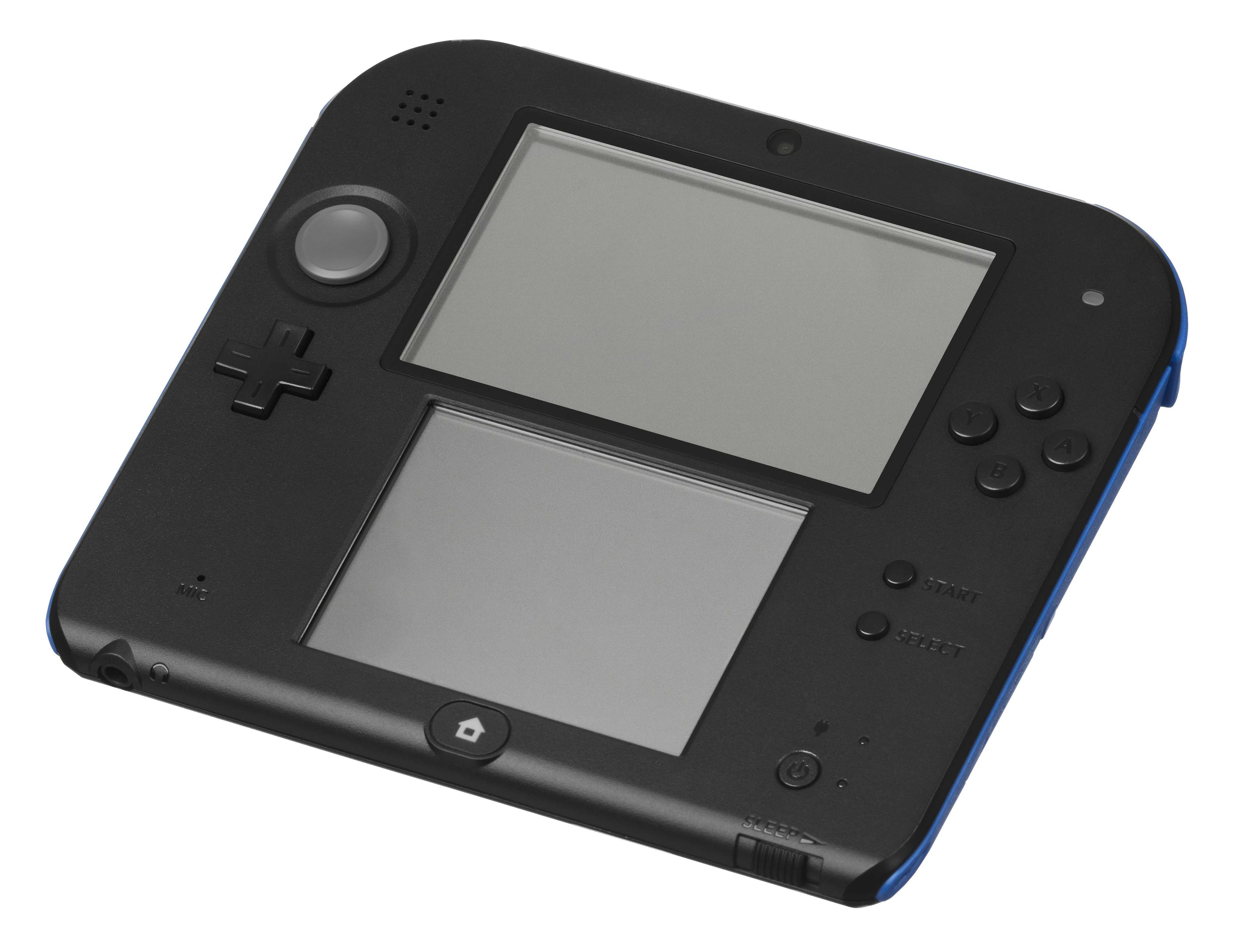
Here's a Nintendo handheld that doesn't fold, doesn't do 3D and looks like a slice of cheese. When the Nintendo 2DS was announced in 2013, people were baffled. Then parents worked it out: it was a cheap, tough way to give a child the whole 3DS library.
The 2DS launched in North America and Europe on 12 October 2013, at a much lower price than the 3DS. It plays every 3DS game, in 2D, and almost the whole DS library. Inside it's the same hardware as the original 3DS, with the same processor, Circle Pad, touchscreen, cameras and wireless features. What's missing is the 3D effect and the hinge.
Why No Hinge?
The 2DS is a single flat slate, so there's no hinge to snap, which is the most common way young players break a folding handheld. Instead of closing a lid to save power, you slide a sleep switch. Both "screens" are actually one panel, with the frame covering the middle, which helped keep the cost down.
Dropping the 3D wasn't only about cost. Nintendo had recommended that young children play 3DS games in 2D anyway, so a console without the 3D effect made sense for the audience it was aimed at. Every 3DS game was designed to work in 2D, so you lose nothing in gameplay.
It has a few quirks. There's only one speaker, so you get stereo sound only through headphones, and the wedge shape takes some getting used to. Once you do, it's surprisingly comfortable, with the buttons sitting high where your thumbs land naturally.
A Way Into a Great Library
The real reason to own a 2DS is the games: Super Mario 3D Land, Mario Kart 7, Animal Crossing: New Leaf, Pokémon X and Y, Fire Emblem Awakening and A Link Between Worlds, plus hundreds of DS games. For a few years the 2DS was the cheapest way into that whole library, and it still is one of the most affordable today.
Like the 3DS, the 2DS is region-locked, so a Japanese game won't run on a European console. If you're thinking of importing, read Region Locked: A Collector's Guide to Importing Nintendo first. The eShop closed for new purchases in 2023, so physical cartridges are the way to build a collection.
Buying One Today
A 2DS has survived years of children, so look for one with clean screens, since the uncovered display picks up scratches easily. Test the Circle Pad, the shoulder buttons and the sleep switch, check the cartridge slot reads games reliably, and make sure the battery holds a charge. Bright red and blue models were the most common, with a run of colourful special editions too.
It's not the prettiest handheld Nintendo ever made, but a 2DS with a stack of cartridges is one of the best-value collections in retro gaming. Hand it to a child, or keep it for yourself.